
Detailed investigations into the connections between emotions, physiology and eating patterns
These six in-depth articles explore specific dimensions of emotional eating and eating behavior research. Each article provides detailed information on a distinct aspect of this complex relationship.
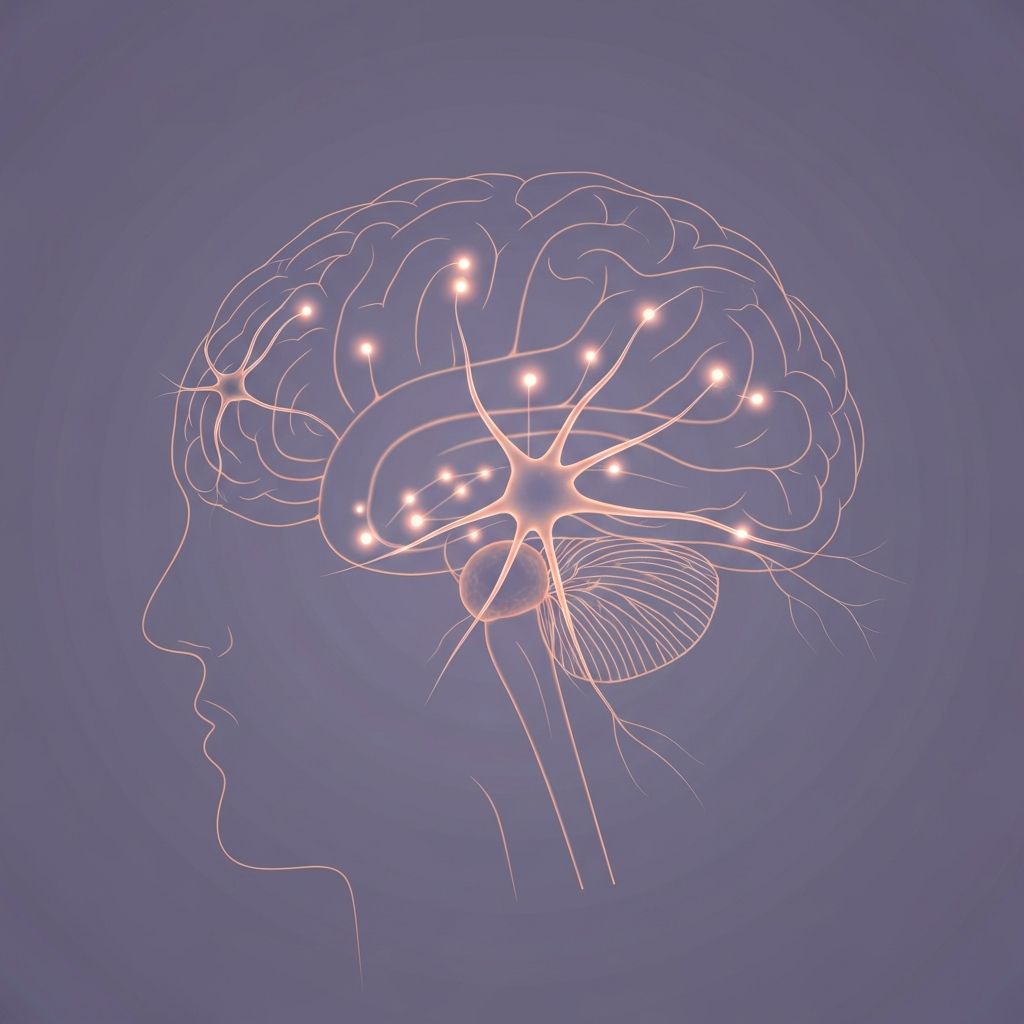
Explore the neurochemical mechanisms through which emotional states influence appetite regulation, food preference and eating behavior through dopamine, serotonin and cortisol pathways.
Read more about →
Discover detailed research context on how stress, boredom and loneliness associate with changes in eating behavior and food preferences across diverse populations.
Explore this concept →
Learn the key differences between physical appetite signals and emotionally-driven eating urges, and understand the overlapping characteristics that make these distinctions complex.
View related research →
Understand how food functions as a sensory and neurochemical mood-regulating mechanism, including the multiple pathways through which eating affects emotional states.
Discover the mechanisms →
Examine the recurring patterns in emotional eating episodes, from initial trigger through consumption to resolution, recognizing individual variations in these cycles.
Read more about →
Explore how personal history, physiology and context create distinct patterns in emotional-eating associations, emphasizing individual variation over universal patterns.
Explore this concept →These detailed explorations complement the foundational information on the home page. For an overview of emotional eating and eating behavior contexts, return to the main educational resource.
Return to Home Lumora