 Lumora
Introduction
The relationship between emotions and food choices operates through multiple physiological systems. Emotional states trigger measurable changes in neurochemical concentrations and activity patterns that influence appetite, food preference, eating frequency and eating quantity. This article explores the primary neurochemical pathways through which mood states affect eating behavior.
The Stress Hormone Pathway: Cortisol
Cortisol, the primary stress hormone, plays a central role in appetite regulation. When psychological or physiological stress occurs, the adrenal glands release cortisol, which affects eating behavior through multiple mechanisms:
Acute stress typically suppresses appetite through immediate cortisol elevation and sympathetic nervous system activation. However, chronic stress often leads to sustained cortisol elevation that paradoxically increases appetite and promotes preference for energy-dense, palatable foods. This shift reflects cortisol's influence on the hypothalamus, the brain region controlling hunger signals and food motivation.
Cortisol also affects food preference patterns. Research indicates that elevated cortisol correlates with increased preference for foods high in sugar and fat – foods that provide rapid sensory pleasure and temporary mood improvement through multiple neurochemical pathways. This preference shift occurs partly because these foods trigger dopamine release, providing short-term mood regulation.
The Reward System: Dopamine and the Mesolimbic Pathway
Dopamine, a neurotransmitter central to reward and motivation, profoundly influences eating behavior. The mesolimbic dopamine pathway – connecting the ventral tegmental area to the nucleus accumbens and prefrontal cortex – activates when consuming preferred foods, particularly foods high in sugar, fat or novel flavors.
Emotional states alter dopamine activity in complex ways. Negative emotional states – stress, sadness, boredom – may lead to increased food consumption as individuals seek dopamine-releasing experiences. The sensory pleasure of eating, particularly highly palatable foods, provides temporary dopamine elevation that can improve mood temporarily.
However, this dopamine response differs from genuine hunger satisfaction. Eating in response to negative emotions produces dopamine release primarily through taste and reward pathways rather than through satiety signals. This distinction explains why emotional eating may not result in satisfaction despite food intake – the emotional goal differs from the nutritional goal.
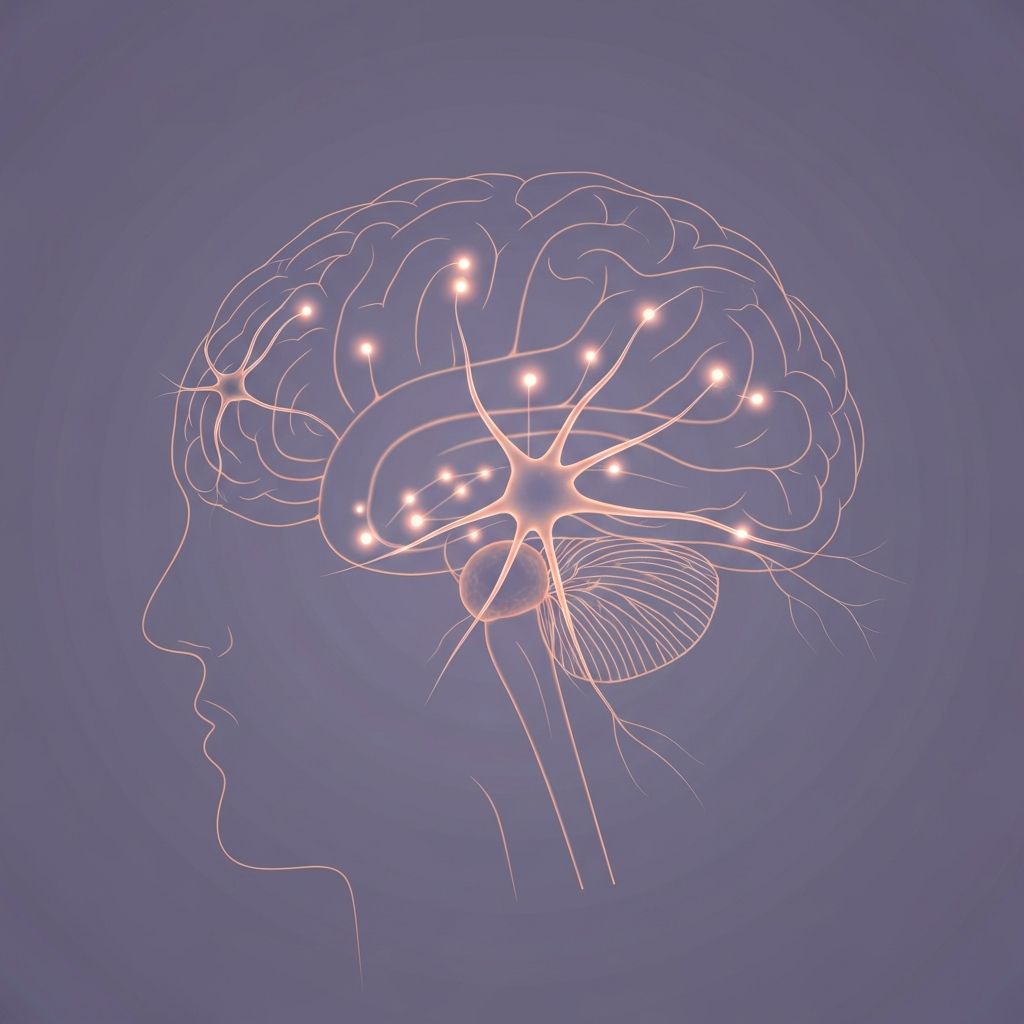
The Mood Regulation System: Serotonin
Serotonin, a neurotransmitter associated with mood regulation, sleep and appetite control, directly influences eating behavior. Low serotonin levels associate with mood difficulties and alterations in eating patterns. Some individuals respond to low mood by increasing carbohydrate consumption, as carbohydrates increase tryptophan availability to the brain, potentially improving serotonin synthesis.
This mechanism creates a biological basis for carbohydrate-seeking behavior during negative emotional states. However, the serotonin-mood improvement effect operates on a different timescale than the immediate dopamine-reward response. Sustained mood improvement through dietary changes typically requires consistency over days or weeks, while dopamine release occurs immediately upon eating.
Serotonin also affects satiety signaling. Adequate serotonin supports healthy appetite regulation and satiety sensation. Conversely, low serotonin associates with increased appetite and reduced satiety sensitivity, meaning individuals may continue eating despite adequate food intake.
Interaction of Multiple Systems
These neurochemical systems do not operate independently. Instead, emotional states create coordinated changes across multiple systems simultaneously:
- Stress elevates cortisol while simultaneously affecting dopamine and serotonin pathways
- Individual differences in baseline neurochemical patterns create variations in emotional eating responses
- Sleep quality, physical activity and nutritional status all influence these neurochemical systems
- Learned associations between specific emotional states and specific foods strengthen over time through dopamine-mediated reward learning
Individual Variation
Substantial individual differences exist in neurochemical responsiveness. Genetic factors influence dopamine and serotonin receptor density and function, creating baseline differences in food motivation and mood-food associations. Environmental factors – childhood experiences, learned associations, current stress levels – further shape these systems.
Additionally, the direction of emotional eating responses varies. Some individuals increase eating during stress (cortisol-driven appetite increase), while others decrease eating (acute stress sympathetic suppression). These different patterns reflect genuine physiological differences rather than psychological weakness or strength.
Context and Modulation
The strength of neurochemical-driven eating responses depends on context. Food availability, social circumstances, other concurrent demands and individual stress resilience all modulate the relationship between mood state and eating behavior. The same emotional state produces different eating responses depending on circumstances.
Summary
Emotional states influence eating behavior through direct neurochemical effects on appetite regulation, food preference and satiety signaling. Cortisol, dopamine and serotonin pathways interact to create changes in how food is perceived, desired and consumed. These effects operate automatically through physiological mechanisms rather than through conscious decision-making, though conscious awareness and intentional choices also influence outcomes. Individual variation in neurochemical systems creates substantially different eating patterns in response to similar emotional triggers.
This article presents educational information on neurochemical mechanisms. It is not medical advice, psychological guidance or treatment recommendation. Individual neurochemistry varies considerably, and understanding of these systems continues to evolve. Consultation with qualified professionals is appropriate for personal concerns.